
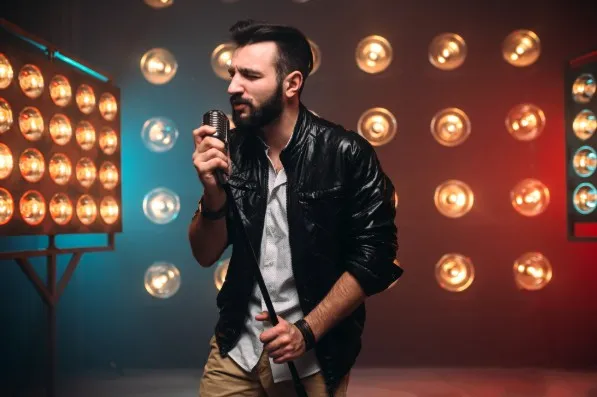
One of the most pursued and developed creative careers in India is singing. But only a few aspirants are given the systematic development they need to grow. In a 2023 report on the Indian music industry, it was found that less than 5% of the aspiring professional singers in India get any formal musical training. Most promising voices never get over that divide between passion and preparation.
Surface-level confidence is developed through self-learning via tutorials. Lacks and live stages rarely require the technical bases that it develops. Deliberate and expert-guided development is necessary for breath support, pitch consistency, tonal range and stage composure.
This blog provides tips from industry professionals on how to become a professional singer. You will also gain insight into the structured singing diploma course and why it is the best investment that a serious singer can make: formal training.
Natural talent opens doors. They stay open due to technique. It is a common theme among industry professionals that singers who are self-taught often lack development beyond a certain point if they do not receive instruction.
A formal class teaches concepts that are not typically addressed in concept tutorials: stylistic control, tonal consistency across registers and resonance placement. Guidance from experts can help to identify and correct technical habits at an early stage before they become ingrained and actually harder to break.
Breath is the power that drives a good voice. Breath control is the one thing that all industry experts agree is the most important skill to master. Singers can use diaphragmatic breathing to maintain endurance on long phrases, control dynamics and avoid vocal fatigue during extended recording times or performances.
Even with a good voice, without proper breath control, they can become tired. Professional singing always requires stamina-building exercises performed through sustained notes, controlled exhalation exercises, and building up stamina by practising the breathing of phrases.
There are many singers who are self-taught who may develop pitch changes without awareness. Ear training helps singers to hear intervals, notice pitch deviation when it happens, and naturally correct it without any training.
Every professional musician has a daily ear training and singing practice. Being recorded for a real honest review is one of the most useful and underutilised resources for any budding singer.
Practice is more important than occasional, lengthy practice. The majority of the industry professionals have a routine to stick to every day:
The technique is built up by conscious repetition, not just passive singing.
A structured singing diploma goes well beyond vocal exercises. A quality one-year programme typically includes:
| Module | What You Learn |
|---|---|
| Classical Foundations | Raag, taal, and Indian classical theory |
| Voice Culture | Resonance, placement, and range development |
| Ear Training | Pitch accuracy and sight-singing |
| Contemporary and Playback | Bollywood styles and modern vocal techniques |
| Stage Performance | Confidence, delivery, and audience engagement |
| Recording Techniques | Mic awareness and studio behaviour |
This breadth is what separates diploma graduates from singers who only ever practise at home.
Jumping straight into songs strains the vocal cords and reinforces poor habits. Industry experts are clear: no professional sings cold. A warm-up is non-negotiable regardless of experience level or time available.
Many singers assume theory is only for instrumentalists. This is a costly mistake. Understanding scales, intervals, and rhythm improves how singers interpret songs, communicate with musicians, and adapt across genres. Theory is not separate from singing. It is the language every serious vocalist must speak.
Before enrolling anywhere, check these factors carefully:
T-Series StageWorks Academy, located inside Film City Noida, offers Diploma in Singing programmes taught by practising industry professionals. Students receive classical and contemporary training, studio exposure, and structured performance opportunities throughout the programme.
Admissions for 2026-2027 are currently open.